
 Forlorn
- ALMA MATER revealed the song “Pain” feat. G. McManus (KOROZY)
- Gallery: RAMPART, HARD COMPANY, STORM and FAT WHITE CHIEFS in Sofia
- Gallery: BESTIA ATER, PAST REDEMPTION and PROKAZA in Sofia
- Gallery: TERRAVORE, CONCRETE, CIROZA and SQUAD OF DEATH in Sofia
- JUDAS PRIEST are working on new album
- NANOWAR OF STEEL reveals music video for new single “Uranus” feat. Michael Starr (STEEL PANTHER)
- Gallery: U.D.O. in Plovdiv
- Rob Halford’s Confess: “I’m a pop tart”
- Gallery: Sea Of Black Festival 2020
- Gallery: SCHIRENC PLAYS PUNGENT STENCH in Bulgaria
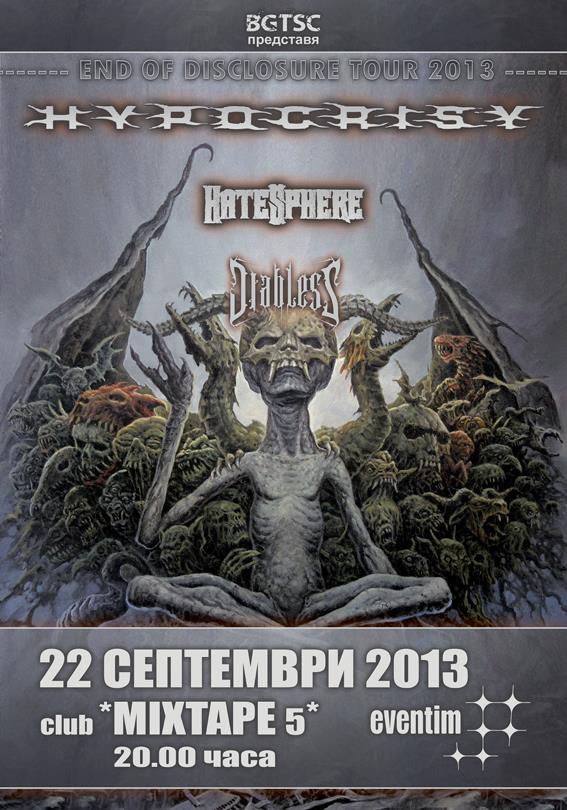
DIABLESS ще подгряват HYPOCRISY на 22 септември
BGTSC има удоволствието да обяви DIABLESS – българското участие на предстоящия концерт на HYPOCRISY и подкрепящите HATESPHIRE! Както знаете събитието ще се състои на 22 септември в столичния клуб Mixtape5.

Diabless
DIABLESS е една от най-силните български концертни дет банди. Те определят стила си като атмосферичен дет метъл, а историята им започва през 2007 г. под името FROZEN SHIT. Началото е поставено от Ивайло Христосков – китара и вокали (бас китара в DARK INVERSION) и Явор Александров – китара. По-късно към групата се присъединяват Николай Лозанов – барабани, Петко Христов – бас и Георги Ковачев – вокали. През 2011 г. Георги Ковачев напуска гупата, а вокалите отново поема Ивайло Христосков, като групата приема и настоящото си име – DIABLESS. Тази година излезе дебютният им албум, съдържащ 12 авторски парчета. Към настоящият момент групата работи по материала за следващият си албум и се готви за 22 септември когато ще открият българската дата от турнето на HYPOCRISY.

Diabless
Билетите за концерта на HYPOCRISY, HATESPHERE и DIABLESS са в продажба от 6 юли, ексклузивно в мрежата на EVENTIM в цялата страна. Местата, от които могат да бъдат закупени, са магазините на Пикадили, Germanos, Technopoilis, OMV, Office 1 Superstore, Техномаркет, ESPO груп, Usit Colours, Outlet Alex, На Тъмно, Metal Heaven, Фотосинтезис, каса 3 на НДК, Дворец на културата и спорта – Варна, Пловдив – билетна каса пред общината, както и онлайн на www.eventim.bg Първите 35 билета на специална промо цена от 35 лева отдавна свършиха. В момента пропуските се продават на цена от 40 лева, а при налични в деня на концерта, както и на място на входа на клуб Mixtape5, цената им ще е 50 лева. Предстои оповестяването на още подробности!

Diabless
По-долу можете да чуете песента „Into The Mountain“, която е част от дебютния албум на групата, тя влезе и в компилацията “Murder Sound Extreme Compilation” на Murder Sound Studio и The Other Side.
На 31 август излиза 35 брой на списание Про-Рок
На корицата са AVENGED SEVENFOLD
Само преди 7-8 години AVENGED SEVENFOLD бяха душата и сърцето на всеки купон, непоправими лоши момчета, арогантни последователи на жизнения стандарт на Motley Crue и олицетворение на всичко декадентско в рокендрола, за което можеш да се сетиш. След трагичната кончина на техния барабанист The Rev в края на 2009-та обаче, техният свят се обърна наопаки. Те дълго вървяха в сянката на смъртта и търсиха нова искра. Нов живот. И тогава един ден фронтменът на групата, M. Shadows, докато играе с няколко месечния си син, го вдига високо във въздуха и патетично обявява Hail To The King! Това е само една шега, разбира се, но тя дава името на новия албум на групата и отбелязва началото на нова ера в съществуването на AVENGED SEVENFOLD. Тя започва с осмисляне и преразглеждане на приоритетите, с осъзнато израстване и търсене. AVENGED SEVENFOLD вече не са гримираните момчета с глупави прически, които може би си спомняш от 2005-та. Днес те са направили основен ремонт на концепцията си и са се обърнали за помощ към класиците на стадионния рок…
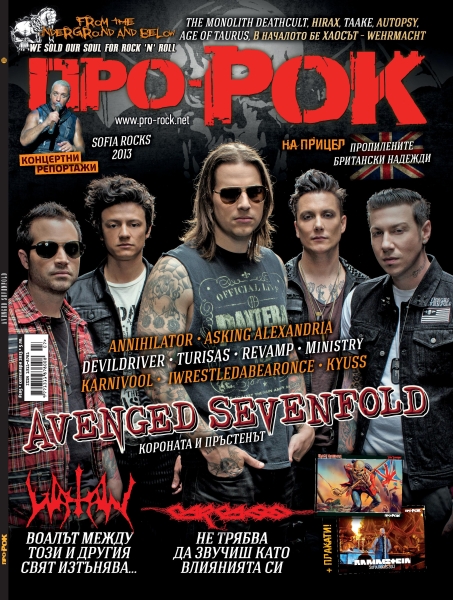
Още в броя
FROM THE UNDERGROUND AND BELOW
Мястото, където мракът поглъща светлината завинаги. Мястото, където по-страхливите или просто неопитните не трябва да стъпват. Място за самотници, неразбрани гении и социопати. Мястото, където споменаването на думите „мейджър” и „Билборд” се наказва със смърт. Мястото на тези, които никога не ще се къпят в слава и пари – тяхната съдба и проклятие…
В този брой THE MONOLITH DEATHCULT, HIRAX, TAAKE, AUTOPSY, AGE OF TAURUS
Ще се впуснем дълбоко в пещерите на ъндърграунда, за да потърсим за вас най-влиятелните EP-та, демота и банди, от които тръгват цели разклонения в любимите ни екстремни музикални стилове. … Продължаваме с WEHRMACHT.
Както и CARCASS, WATAIN, ASKING ALEXANDRIA, ANNIHILATOR, IWABO, TURISAS, KARNIVOOL, DEVILDRIVER, REVAMP
Рубрики
Скенер – MINISTRY
Историята на една обложка – ASIA – ASIA
Историята на един класически албум – KYUSS – WELCOME TO SKY VALLEY
Великите турнета – JUDAS PRIEST/IRON MAIDEN 1981
Произведено в България – JACK DANIELS’ ROCK ARENA – SPIRIT OF BURGAS 2013.
Kamenitza Live – SOFIA ROCKS 2013, EXHUMED, WILD CHILD FESTIVAL, ENTER SHIKARI
Macabra – Тъмно Про-Рок пространство, посветено на хорър жанра и контракултурата.
Addicted To – рубрика, посветена на хобита, мании, увлечения и други страсти, от които страдат музикантите. Ред е да представим Geddy Lee от RUSH и неговата страст към бейзбола.
На прицел – Пропилените британски надежди.
Плакатите
Спомен от концерта на RAMMSTEIN и за пръв път – обложка! Започваме с Eddie The Head и превъплъщението му в сингъла на IRON MAIDEN The Trooper.
Както винаги много новини, ревюта, предстоящи албуми…
ROXIN’ PALACE „Roxin’ Palace“, Saol Music 2013
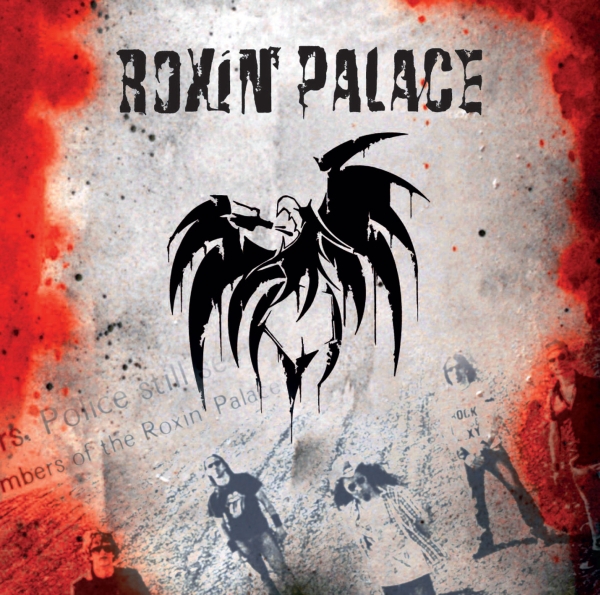 Свеж дебют на италианската Sleeze/Rock/Metal банда ROXIN’ PALACE,излязъл на 7 юни 2013 г. чрез Saol Music. Съдържа десет парчета, в които рок свежестта преобладава. Бързи, динамични песни, с игриви китарни сола, поп рок припеви. Идеално, ако шофирате към морето.
Материалът е записан в Artesonika Studios заедно с Fabio D’Amore (PATHOSRAY, SERENITY) и е миксиран от Staffan Karlsonn (ROXETTE, ARCH ENEMY, Stevie Wonder, FIREWIND….).
Mrazek (7/10)
На 26 август в “От другата страна” по радио Варна
 Специално интервю с Edward Lay и Elliott Williams (EDITORS). Иво Руев (IVO RUEV BAND) за „Рок фест Мъглиж” на 7 септември. Атанас „Saxon” Димитров („I Creative”) за прощалното турне на Paul Di’Anno (екс-IRON MAIDEN, екс-KILLERS) и концерта му на 3 октомври в София. Свилен Ноев за 21-годишнината на ОСТАВА и концерта на групата на 3 септември в София. Антон „Torden“ Андонов за новия, 105-и брой на списание „Про-Рок“. В „Мазето на Вакашински” – Ясен Вакашински представя немската готик метъл банда ATARGATIS.
Слушател на „От другата страна“ ще спечели екстремната компилация „Murder Sound Extreme Compilation“, предоставена от „The Other Side“ и „Murder Sound Studio“.
В предаването ще звучи музика на: JUNGLE ROT, AVENGED SEVENFOLD, SCAR THE MARTYR, KVELERTAK, CLAWFINGER, DOWNSLOT, SMALLMAN, PINK FLOYD, TORNADO, ASKING ALEXANDRIA, ASIA и др.
Предаването се излъчва всеки понеделник от 20:00 до 23:00 ч. и може да бъде слушано на следните честоти: Варна 103,4 MHz; Добрич – 88,7 MHz; Бургас – 88,5 MHz; Провадия – 88,9 MHz; за Черноморието – 98,2 MHz, а на средни вълни 774 KHz или по Интернет на адрес: www.radiovarna.bnr.bg и www.predavatel.com. Официален сайт: www.otdrugatastrana.info
SHINING “8 ½ – Feberdrömmar I Vaket Tillstånd”, Dark Essence Records/Karisma Records 2013
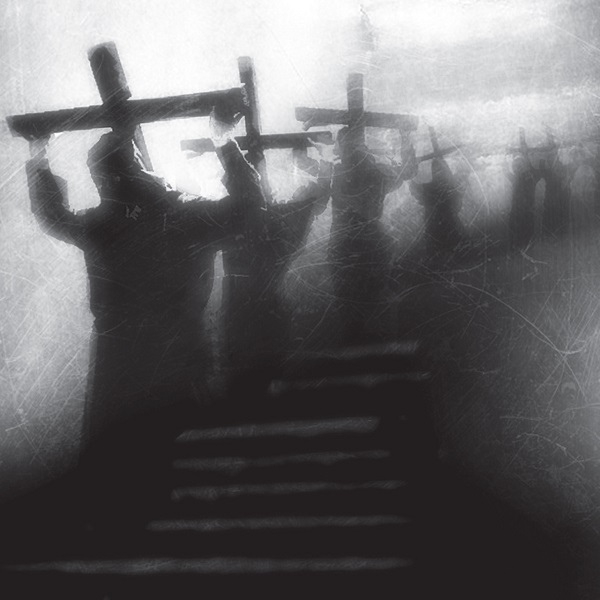
Shining – 8 ½ – Feberdrömmar I Vaket Tillstånd
Албум, завръщане към корените. Шест презаписани песни, според групата, в оригиналното им звучене. Интересното в случая е, че Niklas Kvarforth е избрал във всяка песен да участва по едни от най-символичните и знакови за екстремната сцена вокалисти – това са първите пет парчета, в шестото (достойна реплика на Шопен) се е включил самият той в целия си психо блясък. Харесах албума от първото слушане, от второто се влюбих в него, на третото изпаднах в транс… Мога да го слушам до безкрай: унес, пренасяне в друг свят. Светът на SHINIG – откачен, безумен, отнесен, омазан с повръщня и бълвоч, а в същото време прекрасен.
1. Terres Des Anonymes с участието на Famine от PESTE NOIRE
2. Szabadulj Meg Önmagadtól с участието на Attila Csihar от MAYHEM, TORMENTOR
3. Ett Liv Utan Mening с участието на Pehr Larssonот ALFAHANNE
4. Selvdestruktivitetens Emissarie с участието на Gaahl от GOD SEED, WARDRUNA, ex-GORGOROTH
5. Black Industrial Misery с участието на Maniac от SKITLIV, ex-MAYHEM
6. Through Corridors Of Oppression с участието на Kvarforth
Mrazek (10/10)
SERPENTINE CREATION „Antireligion“, EP 2012 self released

Serpentine Creation – Anti Religion
Пред мен е EP-то на тази българска Black Metal група, което е второ издание в дискографията им. Верни на себе си, те свирят чист и неподправен Black Metal, както ще ви подскаже и самото заглавие, концептуално ориентиран против официалните религии и в прослава на Сатаната!
„Antireligion“ съдържа авторски парчета и един кавър на NECROPHOBIC. Моят фаворит е едноименната песен „Anti Religion“ (2), към което е направено и видео. Като цяло, това е голяма крачка в развитието на групата.
1. Denial of God
2. Anti Religion
3. Revenge
4. Darkside (cover version of NECROPHOBIC)
Диск с изданието може да бъде закупен от каталога на The Other Side (пишете на theotherside@theotherside.eu)
Mrazek (8/10)
SATYRICON “Satyricon”, Roadrunner 2013 – Залезът на боговете?
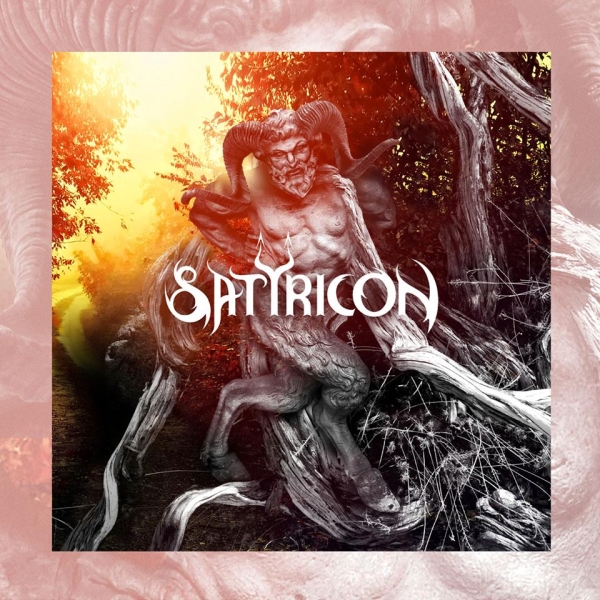
Satyricon – Satyricon
Не е лесно да подходиш към новия SATYRICON след години фенство. Най-очакваният албум в последно време, както маса метъл фенове бе споделяла. Сатир ни накара да чакаме и се надяваме почти на чудо, както бе прозвучало от неговата уста през далечната 2009-та: “Ще бъде една нова ера”.
Със сигурност е твърде рано да отсъждаме. Въпросът е дали да се доверим на артиста: “Албумът ще ви влезе под кожата и ще остане завинаги”.
Началната ми реакция след прослушването на сингъла (“Our World It Rumbles Tonight”) бе: еклектика. Не съм фен на този естетически подход, особено след четирите последни Сатирикон-а, които се стремяха към консолидираност.
Как така чувам, в едно парче, “Metal Church – Ton Of Bricks”, ведно с явни пасажи от поне две песни от “Nemesis Divina” и “Now Diabolical” съответно; всичко това съчетано с промени на темпото и дисонантни китари които сякаш се стремят да ни отдалечат от структурата на парчето, вместо обратно… (В този смисъл, паралели с ENSLAVED, появили се в множество отзиви онлайн, са неадекватни).
И по-нататък в албума сме свидетели на интерлюдии, сякаш целящи да ни отдалечат от песенната структура, вместо да й служат – огромен отстъп от идеологията на последната “трилогия” на групата, както и от класическата композиция изобщо, за чийто метъл-гений бе прокламиран Сатир.
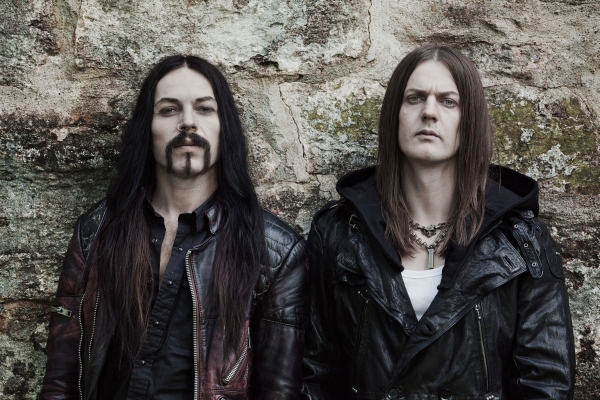
Satyricon. Source: warnermusic.de
Вместо свободата, обемът, динамиката да се разгръщат в творбата, тук имаме един вид бягство.
От какво бяга творецът? Дали самоналожените усилия от последните 10-15 години са били твърде много? Дали не иска да си почине?
Ами да, Сатир изглежда отегчен. По-зрял? Различен? Със сигурност, днес метъл-музиката не е неговата стихия.
Колкото до “духа на Сатирикон”, за който той твърди, че в въплътен в новата творба: моето усещане е, че магията бе там някъде, в “Now Diabolical”, в “A New Enemy”… в песни цялостни, идеални – и затова магнетични. Ако щете, епиката бе в Die “By My Hand”, експанзията в “Supersonic Journey”, интензитетът в “Black Lava”, злобата в “The Scorn Torrent”…
А къде остава широко рекламираната днес “органика”? Може би, в дълбокия гърлен вокал – пронизващ ушите със стържене и дъх, с хитра артикулация и подчертаваща я продукция. “Nocturnal Flare” единствено се доближава до типичното преди години за SATYRICON съвършенство – всеки детайл пипнат с прецизност, всеки тон и инструмент влизащ в парчето със смисъл, цел и настроение. Ето затова си струва, може би, целият албум.
Пропуснете ник-кейвските забежки във “Phoenix”… “Nekrohaven” е пънк-рок без пънча на “Repined” и “Fuel”; „Walker Upon The Wind“ продължава в подобен дух, а „Ageless Northern Spirit“ е слушаемо, освен заради носталгия по познатия Сатирикон, заради Фрост – все още биещото сърце на тази група.
The “Infinity Of Time And Space” обобщава атмосферата: отвлечен ембиънт, вид дуум, и Сатир напяващ познати мизантропски и милитаристични фрази; всичко това преливащо се, в “Natt”, в някаква архе-романтика. („Infinity…“ добавя и „прогресивен“ елемент, като тук паралели с ENSLAVED не са изключени.)
Меланхоличен романтик ли е Сатир? Най-вероятно. Дали албумът е метъл? Друг въпрос. “Странен, но хубав албум”, каза Мразек.
Странното за мен е как меланхолията се бори с героичната маска. Двете отчетливи страни на „Сатирикон“, пък и на други пост-блек групи – агресията и контемплативността – остават да си противоречат. Какъв е тогава импулсът за създаването на творбата? Не го изяснява и самият автор: „Наистина ми допадаше да правя компактни блек-метъл песни, базирани на рок-музиката, но в един момент ми се прииска нещо различно. Не знаех какво точно ще е то и отчаяно се опитвах да разбера, но впоследствие забелязах, че не се получава, така че се отказах. Ще ми се получи когато му дойде времето.“ А аз не мога да се отърся от усещането за скука, тягостност, сглобеност. Песните са пълни с клишета от метъла (и не само); разчита се на стари лаври, противно на обещанието за иновация. „Сатирикон“ дори не е пъзел, а някакъв Франкенщайн. Сякаш създателят му е имал сили и идеи за част от песен, а някой друг е добавял останалото, по различно време, в тези три години на създаването на творбата.
Освен нас феновете, дали и Фрост, отдал “живота и здравето” си на групата през последните десет години, не е останал излъган? Завладяващите, плътни, отчетливи барабани на бласт-бийт легендата – заради които даваме сравнително висока оценка на албума – са гръбнакът на нещо, което може да се опише като MY DYING BRIDE в почивен ден, взели назаем лирики от пауър-метъла.
1. Voice of Shadows
2. Tro og Kraft
3. Our World, It Rumbles Tonight
4. Nocturnal Flare
5. Phoenix
6. Walker Upon The Wind
7. Nekrohaven
8. Ageless Northern Spirit
9. The Infinity of Time and Space
10. Natt
Диана Чавдарова (6/10)
SATYRICON „Satyricon“, Roadrunner 2013 – The Twilight of the Gods?
Satyricon – Satyricon
It is far from easy to approach this new Satyricon record, which numerous metal fans said had been more anticipated than any other. Satyr surely did a great job in keeping us guessing, while promising us an outcome cornerstone-significant: no less than “the dawn of a new age”.
It is perhaps too early to judge the outcome. We’d have to trust the artist in that the album would “grow on the listener, and stay forever”. However, we have been listening fervently, attentively, and an early opinion is urging out.
My initial reaction following the single (Our World It Rumbles Tonight) was: eclecticism. I am not a fan of that aesthetic approach, and especially following the last four Satyricon records which clearly sought consolidation.
How could it be that, in one song, I heard Metal Church’s Ton Of Bricks, plus clear references to songs from both Nemesis Divina and Now, Diabolical (at least); this topped with tempo changes and dissonant guitars which seemed to interrupt the song, rather than contribute to its tension (and thus, parallels with Enslaved as suggested in some online reviews, are less than adequate).
It would prove the album would offer interludes as if meant to break from the song structure, rather than cater for it: the opposite to the line of Satyricon’s past “trilogy”.
Instead of building volume, dynamics and energy within a structure – as the case with the trilogy – here is an outward direction. Not an expansion – but almost an escapism.
I see nothing “epic” about this new record, contrary to many a metal fan (to whom that definition, whatever it entails, seems essential). It’s hard to think of even Supersonic Journey or To The Mountains in that term, for Satyricon of the past 15 years promoted an element of hermeticism. The Age Of Nero, however, saw an expansion, and there we got that energy unfold into a true epos such as Die By My Hand. Whenever I seek to expand, I will return to that.
What is the composer escaping now? Did the restraints of the past 10-15 years prove too much? Is he finding a new sort of comfort?
He does seem eased-out. But how does that relate to metal music, which finds its essence in a state of unease?
The first three tracks of the record thus sound formulaic, put together like pieces of a puzzle. There’s a huge talk of “atmosphere” among fans – atmosphere maybe, but not the thrilling energy which infiltrated songs such as A New Enemy – songs which spell perfection, and, in my subjective perception, deliver “the spirit of Satyricon”.
The author’s explanation, if I understand correctly, is that this is the summary of a career, and a homecoming of sorts.
True – in the opening track (Tro Og Kraft) after the initial (Voice Of Shadows) instrumental, there’s the distinct feel of the “old times”. But since I never acquainted myself with the genre at its peak, nor do I have a bias for nostalgia or history (or feel that these should be a driving force in creation), all I sense within that song – and the next – is a certain naivety. No, I’m unfair… there are touching folklore melodies which lead into the album’s further, exalting sentiment.
I knew there was to be a song which would grab me: instantly, and not “in the course of time”. Grab, and hold “forever” – with intensity, romantic pathos, and that X-factor which makes me crave and return to it time and again.
Nocturnal Flare – enough to give this record five stars. Here, any talk of under-production could cease. Satyr’s roar and breath cut directly into the ear, blatantly raw yet refined; articulation intricate; each detail touched with precision and serving the whole. An accomplished, thus enthralling song which is my epitome of “Satyricon” and the atmosphere promised. It’s intimate, attesting to the maturity of the record. If we have to determine to which older album it refers in terms of sound, it has to be Volcano – with the addition that the vocals on „Satyricon“ are deeper, harsher – the hit in that analogue approach in recording. Satyr here may not be furious – but he is sinister, haunting, possessive.
Nocturnal Flare flows beautifully into an early-maiden reference: lyrical, melancholic, dark and sticky as black metal itself.
And what is black metal – the genre whose future Satyricon have claimed they would map with their self-title? A question as tricky as the genre itself.
Black metal may well be all contained within Di’anno’s Maiden – and unless I have misunderstood, that could be part of Satyr’s feel as well.
Add to that Frost’s elaboration:
“… it’s a music genre that’s creative itself, it’s very open; it’s not really defined by strictly musical technical characteristics, it’s defined more by the atmosphere, the moods, the vibes. You could mix in lots of elements. Of course, for it to be black metal, there should be dominant metal elements, but apart from that you are very free to bring in elements from all different sorts of music, bring in unconventional instruments, and you could go as far as making almost purely electronic or drone-based music and still call it black metal, because it still adds to metal and evidently it comes from there. There’s a danger in that as well, because it might lose all contact with its origins and the roots. Usually it’s very important to have a strong touch with the roots, as well as developing and bringing the whole genre further, which is what we do; but no matter what, I think that this kind of creativity and the openness that I see at the bottom of the genre, is a very good thing, even if it is misunderstood and misused by lots of bands.”
Satyricon. Source: warnermusic.de
To be more specific, what is Satyricon’s black metal? Satyr’s roar, intricate riffs, ingenious melodies, and Frost’s voluptious, muscular and articulate drumming. As Frost’s confidence as a musician grew, he became core to the band’s identity – its most organic part – pumping up life into the record from its first ceremonial tones and into the faster pieces down the road.
Meanwhile, there’s Phoenix – a pleasant creation, even though maybe nick-cave-generic… at least to someone unacquainted with the genre, like myself, and finding interest in Depeche Mode rather than “typical” dark-wave.
Nekrohaven is the blackened punk-rock I’ve always loved from Satyricon. Their straight rhythms and lines are igniting, and I’m happy they have not abandoned that ostensibly simple quality in this “summary” of a record, even without the punch of Repined and Fuel, and with a less than interesting solo guitar. Walker Upon The Wind retains a similar mode, and Ageless Northern Spirit, apart from the nostalgic „classic-Satyricon“ flair, brings more delectable drumming. The Infinity Of Time And Space elaborates on what has been the album’s atmosphere: dreamy dark ambient, and doomish metal, and that guttural vocal chanting the usual misanthropic and militaristic words/phrases in a catchy chorus – all that with a touch of “progressiveness”. An Enslaved parallel in this particular song is not devoid of reason; however, Enslaved have done a career out of organically bringing together their aggressive and contemplative sides – something we don’t see Satyricon even touching upon, despite the pretense made. Are Satyricon authentic in their yearning, or in their testosterone-fueled power? I don’t see the duality either resolving, or remaining intensely opposed; however, I sense less zest and more sorrow.
Satyricon is… whatever you make of it. (“It is strange but I like it”, says our editor.) Question is – is this the Twilight Of The Gods?… We hope not, although “Satyricon”’s overall feel might fall into an oxymoron with the “meta-language” (the interviews) convincing us into the band’s activism. Natt (the outro) moves the subdued ambiance into a further twilight… and the dreamy innocence we so much need. Still, I do not get this sorrowful piece as a whole. I would gladly leave it unjudged, but since some points need to be given, I assign 6, largely due to Frost’s input.
Diana Chavdarova (6/10)
Frost: Confessions of a drummer
„Confessions of a drummer“ – a joint interview with Frost of Satyricon by Diana Chavdarova and Madelen Engeseth of Scream Magazine (Norway). The article is published in Norwegian in the June 2010 issue of the same magazine. Photo by Madelen Engeseth.
Logic and disciplined thought are apparent in all of your statements. What is your formal education?
Well, says Frost, I’m actually an engineer, but that’s an education I’ve never made use of. I took a course in Computer Science at Oslo University, graduating with an engineering degree. I sort of thought that I might combine that kind of work where I had great mobility and flexibility, with Satyricon. When I undertook those studies, Satyricon had begun to grow to some extent. So I thought, given the market situation in those days, that I would be able to get a job anytime with an IT-education. Thought I could get well paid temporary jobs in between the Satyricon tours. However, things turned out differently by the time I was finished. Education was really worthless. There weren’t many jobs and any chance for the newly graduated to get them, not to mention temporary jobs and such. It is quite a sleeping title I have, he says.
Why choose music as your occupation?
To answer that, we must look into what happened in 1992. I had actually put my drumsticks on the shelf, and thought that I should remain a devoted fan rather than a musician, since that was how I viewed myself. I had played drums for some years, but not taken it that far. I didn’t think of myself as a musician, even though I had a tremendous interest in music and had already chosen black metal as my lifestyle. I thought that some people had to be fans as well – that’s how I pictured the whole thing. Then it happened that Satyr had mentioned to Bard Faust that Satyricon needed a drummer. I knew Faust well from Lillehammer, we had both lived there and even played together some time earlier. (Frost catches his breath…) So, Faust brought us together, and Satyr and I decided that I should audition for Satyricon – it was the end of 1992. I didn’t feel I was particularly good; I hadn’t played in months, either. I was rusty in addition to being bad,Frost says with a smile. It wasn’t a very impressive scenario, really, but Satyr and the two others that were in Satyricon at the time saw some kind of potential in my playing. They probably felt there was something special about my sound, a character and aggression maybe. The type of fuel they needed. They wanted to hear more and didn’t give up, so I thought I should capitalize on this. I began to practice like a beast. Seized the opportunity, and the rest is history as they say. This isn’t quite true, however, because I continued to pursue music as a passionate hobby for years. In 2003, I decided that I should start seeing myself as a musician. Up until then, I didn’t. I thought of myself more as a fan that ran away with music.However, I have always had little interest in the geeky aspects of having music as more than just a hobby. I haven’t studied other drummers, haven’t had any role models. I have not been so fanatically concerned with my own instrument. For me, the guitar has always played a greater role in the sound as a whole. I’m not exactly the type that would use my spare time to brush cymbals and wax my drum kit, he laughs. It was probably more in later years that I really started to dig what other drummers were doing, and listen to different types of music to find solutions for what works and what doesn’t. It was probably more to broaden my horizons and better myself at my instrument. So, the answer is twofold – I took an important step in 1992, and another equally important recently.
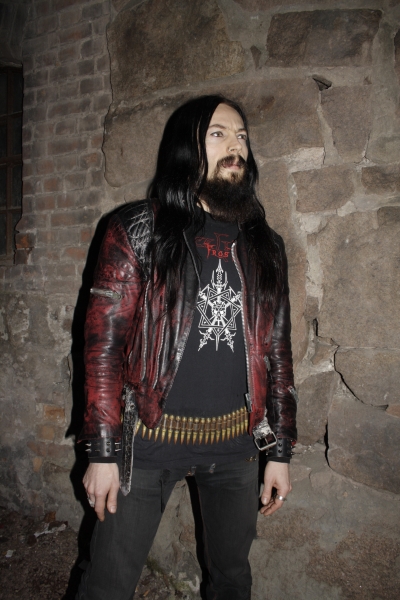
Frost. Photo by Madelen Engeseth
You demonstrate, in your statements and playing, two opposite sides: one of structure and logic and another of instinct and intensity. How do you balance them, and is one stronger than the other?
I suppose that the latter was stronger at first, because then I didn’t reflect much on what I was doing. I was really just driven by my interest in music, and playing drums was a way to show it actively. It has over time become a natural consequence that music felt like a great part of my life and I felt that I lived and breathed for it, but without being a musician with capital M.
I let myself be more or less guided by my own dedication, rather than systematically working to improve myself technically, analyze my own task and so on. I probably have a lot more balance between those things now. It is an insight that has to do with my desire in recent years to seriously improve myself. I feel that perhaps there is a potential there that can and should be exploited. To do so, I need discipline and I need structure, I need a way to bring that in. However, the violent and somewhat animalistic drive that I have while I’m playing will always be there. It is habitual and a part of my way of being. If I feel that it isn’t there anymore, I think I will lose all motivation to play.
What part of your personality is most organically expressed in your cooperation with Satyr, and do you feel that your cooperation with him is more creatively liberating than that with any other artist?
To answer the latter first, I will say both yes and no. Accordingly, the way I work in Satyricon is much different from the way I work in 1349. In Satyricon I work with a very creative person. I think of him as the greatest composer the black metal scene has today, and so it is logical for me to devote myself to that. To complete his compositions and be a part of his creative work also spurs me to think in a creative way. I have to complete his creativity by demonstrating creativity on my own instrument. We want Satyricon to be creative, and that should be present on all levels. He has stimulated me to think creatively, and to see others develop and be innovative does something for me too. Satyr will often sit playing the guitar while I play drums, and then we will get into a productive track and keep on. We then are both creative and it is stimulating.
1349 is creative in a slightly different manner: there are less limitations and as a rule I myself decide everything that comes to the drums. I have total control of the rhythmic side of 1349 – then I get to use the natural creativity that I have. 1349 has a very good band spirit that is motivating and inspiring in itself. I can’t say that I prefer one band over the other, because these are two different ways of working. I am very happy that I have these two different bands – one where I’m completely free and I can let things bubble and boil over, and one where another person controls much of the development.
What specific aspects of your contribution to Satyricon fuel your passion for music?
It is hard to say anything other than that it should be all about the drumming, and it is by necessity a wholistic picture. To devote myself to Satyricon the way I have done and put my entire soul into my playing.
Have you reached a point where you could lead a project of your own?
Yes, I have written and arranged music for 1349 for example. Wrote lyrics even. But that doesn’t mean that I lead the band. It is like that in Satyricon too – at times I will lead the live-band. I lead the rehearsals and decide when we should meet, the points of focus, what songs to play etc. In a different way, I take the lead in 1349 when I feel necessary. It is open for everyone to do that in the band. However, I do it mostly when it comes to arranging music and developing specific concepts. I will never be the leader of a band and I have no wish to have a band of my own.
You have said in an interview that “black metal has been evolving like any living organism, but the time has come for a revolution”. Could you please elaborate?
Yes, I can. I think that we have reached a point where something much more radical should happen, than has been the case in the past 10-15 years. The bands that front the whole black metal scene today are basically the same bands that were the leading players about 15 years ago. Besides that, there are projects that have been started by that generation. There are some new and good bands that have come forth recently, but in my opinion they resemble in all major aspects the bands from our generation. That is still the leading concept.It’s almost as if the new bands that emerge have to sound like old Darkthrone, Bathory or early Immortal to break through, while those who created the scene and built the foundations of what we have today, were very creative and did something that had never been done before. That was the way with Venom, Celtic Frost and Bathory. And when Norwegian bands came and revitalized an almost dead scene in the 90s, they also created something new that hadn’t been there before. This was the case with ”A Blaze in the Nothern Sky” by Darkthrone, Burzum, old Immortal, etc. Even if their references were obvious, they contributed with something new to a genre that was very radical. That’s what I feel we need now. I think that things have stagnated so much, that it is urgent for something like that to happen again to signify that the genre would continue to live. It’s become so old and stiff, with a nasty tendency to be repetitive and unoriginal, while it should be a creative and tremendously brute force. It has very little sting and it becomes conservative. And that is not good, he says smiling. So we need a bunch of 16-18 year olds that are really, genuinely black metal – something which is unlike anything else. Anything that’s more than just incredible speed or authentic sound.
Your decision to devote your life to music seems to have been taken recently. Could you specify the time and circumstances around it?
It would be difficult, he thinks before continuing. I came to that decision in 2004, and I guess I began to think about in 2003. In 2004, I decided this was the way I wanted things to be. From then on I would start seeing myself as a musician. I feel that there is a responsibility there as well.
As your skill level and confidence increased during your career, has your view changed on the importance of drums in song structure?
Yes, very much so. What I have learned recently is that assessing one’s own role is fucking important. Indeed, it is essential for every musician. But I wish I had learned that earlier. I think that in old Satyricon I did too much, played too much. I paid too much focus and attention, which ruined the drive of the songs. I should have allowed more room for the guitar and vocals in many places. There needn’t be anything wrong with fierce intensity or dense information, but you should always consider whether it is appropriate or not. This I have begun to realize recently, and I think it has pulled me further than many a technical success.
You often say that you ”still live the black metal lifestyle”. What does that entail?
It is a bit obscure, but I discovered around 90-91, he says thoughtfully, that the whole aura I perceived as black metal was damn appealing. I went to Helvete, for the first time in 90 or 91. Then everything was black, it was obscure. There were religious symbols, St Peter’s crosses, cat dolls with blood painted across their eyes, bullet belts and so on. And people had a dark aura that came with the spikes and long black hair and the whole package. It really got me. I thought: ”this is it”. Young people often search for an identity, without necessarily being aware of it. I guess I did, too. It came as a flash – there was finally something I could identify with. It was very strong; I realized this was the way it was going to be, without thinking of the consequences or what I was going to do. I was in, I already had black clothes and an inverted cross hung around my neck and so on. But there’s something more to it. I think I was very aware of the dark atmospheres and how much they meant to me. The clothing style I can still call my own. In 1349 I grow a bit traditional with leather and spikes, trying to take it far and make it grim. I have strong intuition for what works in that world. I like to experience the dark world that arises, and really make things right in order for black metal and other dark music to work.
What kind of literature has influenced you, and how?
I don’t know if there’s any piece of literature that has directly influenced my musicality. All that one reads will surely have an impact, and it might to some extent emerge in the style of playing. However, it would be more on a subconscious level. I read some cult literature, because I find it fascinating. The human subconscious is a very exciting field and that is exactly what magic is about. In addition, I think that Aleister Crowley has a very elegant style of writing. I like several books by Brett Easton Ellis, largely because of the language, as much as the plots. I love his language. He has been very lucky with the translations of his books into Norwegian. I have read ”American Psycho” in both Norwegian and English – it works very well in both languages. I think there are many clever translating solutions in Norwegian. So, these are excellent books. How literature has affected me, I don’t really know, I don’t think that way in relation to literature. The things I choose to read, the things I choose to listen to, and the way I express myself when I play, may all represent different sides of me. I am not sure whether these sides influence each other. I won’t deny the possibility.
Do you have favourite films and TV series?
I will highlight Eraserhead as my favourite film. This must have been David Lynch’s first real movie. It is completely outstanding. Very dark and dystopic. Lots of surrealism that he has given a shape and that I like very much. I have a deep sense of David Lynch and the way he relates to ideas and the human subconscious in a very successful way. He has no trouble completely devoting himself to abstract ideas to which he gives a cinematic shape, while at the same time placing them in a rather regular film context. I think the way he works with colours and filters is completely outstanding. The nightmarish mood in Eraserhead is probably what I rank the highest.There’s the feeling when I watch a David Lynch film that works within my mind. I understand him on some level even though I sometimes lose track, but at the same time it is just fascinating, he smiles. To see how he can create moods and cinematic art that you do not necessarily understand, but like a lot – I feel very inspired by seeing such things.You also mentioned TV series, and it’s obvious there must be Twin Peaks. Especially the first eight episodes, and the final. I like the series in its entirety and the characters he created. It’s absolutely brilliant.
You have the groove of a jazz drummer. To what extent do you appreciate jazz? What types of music do you listen to nowadays?
As a matter of fact, at the moment I listen a lot to a band that could be categorized as jazz, Bohren und der Club of Gore from Germany. It is basically a slow jazz band that operates on the borders of black, tenacious dark jazz, ambient and tafelmusik. All of their albums are very good. It is darker than…all black metal there is. People who are familiar with the jazz-like themes of Angelo Badalamenti, film music-maker who has worked closely with David Lynch for many years, would probably nod in recognition to much of Bohren’s music.
Do you have other artistic talents, for example design, drawing, etc.?
I wouldn’t take it that far. I have made a few rather simple designs. I used to do some logo drawing and stuff like that many years ago. I don’t do that much anymore. It was more of an interest I had in my teens, maybe in my early 20s. Now I feel I haven’t the time to dedicate myself to anything other than drumming, which is more than a big enough task in itself. Now and then, it is fun to draw a little – I usually draw patterns, symbols and logos. I think it would be fun to work a little on the guitar, too. It would have been great to be a guitarist, because I would like to write more music; I have already written some on guitar, but I can’t really play the instrument. That is a creative obstacle, obviously.
Have possibilities for commercial success played any role in your participation in a project and the direction you want the music to take?
Then I would have paved my own downfall. I work so that the bands I am in, go further, and the two bands in which I participate are Satyricon and 1349 – it is that simple. When we create music and visual concepts, anything artistic, we just do what we want, what we think is right. What fits the project that we’re working on. We follow our own taste. When things are done we will do our best to bring it as far as we can. He contemplates. In order to dedicate ourselves to what we do, we are obviously dependent on making money out of it. However, we will never whore ourselves, or we better just call it a day. I think it’s a good thing to work to get your records out.
Could you say that Satyricon is mentally challenging to you, while 1349 is emotionally challenging?
Well,he smiles. I can understand what you mean, in a way. In another way it is really the same thing. However, in regard to “mentally challenging”, I think that the way I play in Satyricon has come to be a lot about groove and taking things down, making it simple. It is much more mentally than physically demanding, and it is in many ways maybe heavier. In 1349, it is really hard work, and to be able to have that drive all the time, you have to be emotionally involved. I have an aggressive drive which arises spontaneously when I sit behind the drum kit, regardless of what I’m playing really, for better or worse. When I play with 1349, however, I invoke it additionally. That brings forth a lot of red energy in my direction. It is both a mental and an emotional thing. He thinks for a second.It is very important, that is. A sheer technical approach would not work for me at all.
To what extent are you involved in composing music and lyrics for 1349 in the last two albums?
As for ”Revelations of the Black Flame”, I didn’t write music for that album; however, I worked very creatively with the rhythm on the three regular metal songs. ”Maggot Fetus/Teeth Like Thorns” was a song I got perfect musical contact with. It was a damn kick to work with it and I still think it is one of 1349’s best songs – simple and straightforward but still evocative and special. The title of the album was mine by the way; the night it emerged I just had to forget about sleep. I think the dark, twisted and eerie atmosphere of ”Revelations…” is superb. On ”Demonoir”, I have contributed with an odd theme and worked a lot with arrangements and structuring. In addition, I wrote the lyrics to the title track. But above all, I put a lot of effort into the drumming solutions; I had the idea that the album should be incredibly dark, intense and violent, and I saw it as a task to substantiate with my drumming. It was all an exhausting affair, both to create and perform much of the material. The concept of viewing the songs as qliphotic stations or levels and linking them together with intros and intermezzos – which we call tunnels – was also mine. I see ”Demonoir” as an album with qliphotic moods – I link it with the tree of death according to the Kabbalistic tradition – and death is comprised of three stations that are connected with tunnels; Seth’s tunnels. These musical tunnels on “Demonoir” contribute greatly to give the album its twisted, dark and sinister atmosphere, and above all bind the individual tracks together into a whole. I like albums with a strong sense of unity. You should feel that when you enter the Demonoir world, you are not out until you have gone through the entire album.
Do you get many offers from bands who want you to join forces with them?
There are the requests, but most people recognize that I am busy with what I do. Even if I can do other projects, I prefer to dedicate myself to what I am doing. I never get into things without giving a bit of myself. At least I have to find something that I like. I have decided to keep things at a minimum; there is no extra time or spare energy. I have decided to prioritize the two bands I am in now. I will not do anything that interferes with the work I do there.
Can you think of musicians that you have not yet worked with, but you’d like to do so in the future?
Nobody in particular. I feel that I have a very exciting future both in Satyricon and 1349. I think that the two bands themselves are exciting instruments for musical expression. With the qualities the bands have now, I think it’s exciting to see how they evolve, and take an active part in it. That is big, Frost concludes, leaving us grateful and inspired.
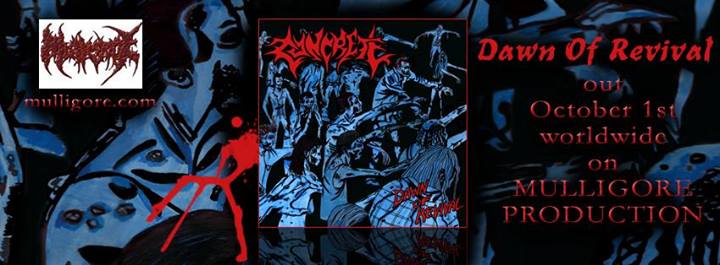
CONCRETE подписаха с Mulligore Production
Шуменската Death Metal група CONCRETE разпространи следното съобщение: „С изключителна радост съобщаваме, че от днес официално сме под крилото на канадския лейбъл Mulligore Production. Те ще издадат дебютния ни албум – „Dawn Of Revival“. Датата за световния пазар е 1 октомври. Благодарим на всички, които подкрепят и продължават да подкрепят бандата, и на тези, които по един или друг начин помогнаха всичко да се случи. НАЗДРАВЕ! /m/“